OSHA focus four hazards
Published 2026-09-04 · 9 min read · updated 2026-10-18 · sources checked 2026-10-18
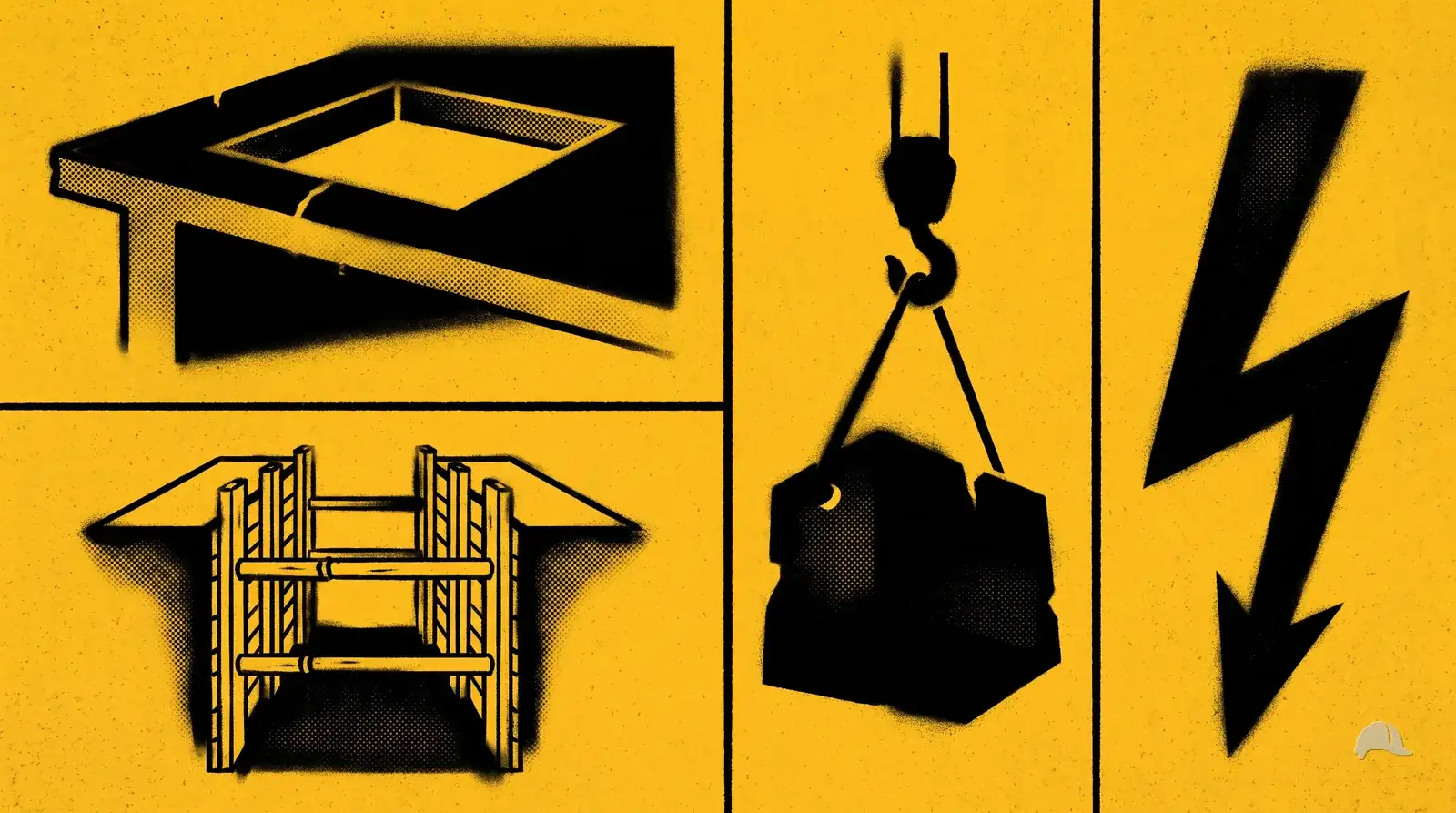
OSHA’s Construction Focus Four Training exists because four hazard families account for most construction deaths. The training packet is built as lesson plans on each; this is the version a foreman can use to decide what to fix on Monday.
The numbers, as published
OSHA publishes two figures worth quoting exactly. There were 5,283 fatal work injuries in 2023 across all industries, a rate of 3.5 per 100,000 full-time equivalent workers. And for construction specifically: in 2024 there were 389 fatal falls to a lower level out of 1,034 construction fatalities.
That single ratio is the argument for the whole hierarchy of this site. Falls to a lower level alone account for well over a third of construction deaths, and OSHA’s own comment beside the figure is three words long: these deaths are preventable.
The citation record agrees. Fall protection general requirements (1926.501) was the most frequently cited federal standard in fiscal year 2024, and fall protection training (1926.503) was seventh.
Warning
Falls
The largest of the four, and the one with the clearest rule. In construction the general trigger is 6 feet above a lower level under 1926.501(b)(1), with different numbers for scaffolds, steel erection and ladders. OSHA’s own fall lesson pairs guardrails and safety nets with personal fall arrest and adds a separate ladder exercise — because ladders are their own fatality stream and carry no trigger height at all.
The trigger heights and the exceptions are set out in OSHA fall protection requirements, and the three conventional systems are compared in guardrails vs safety nets vs PFAS.
Struck-by
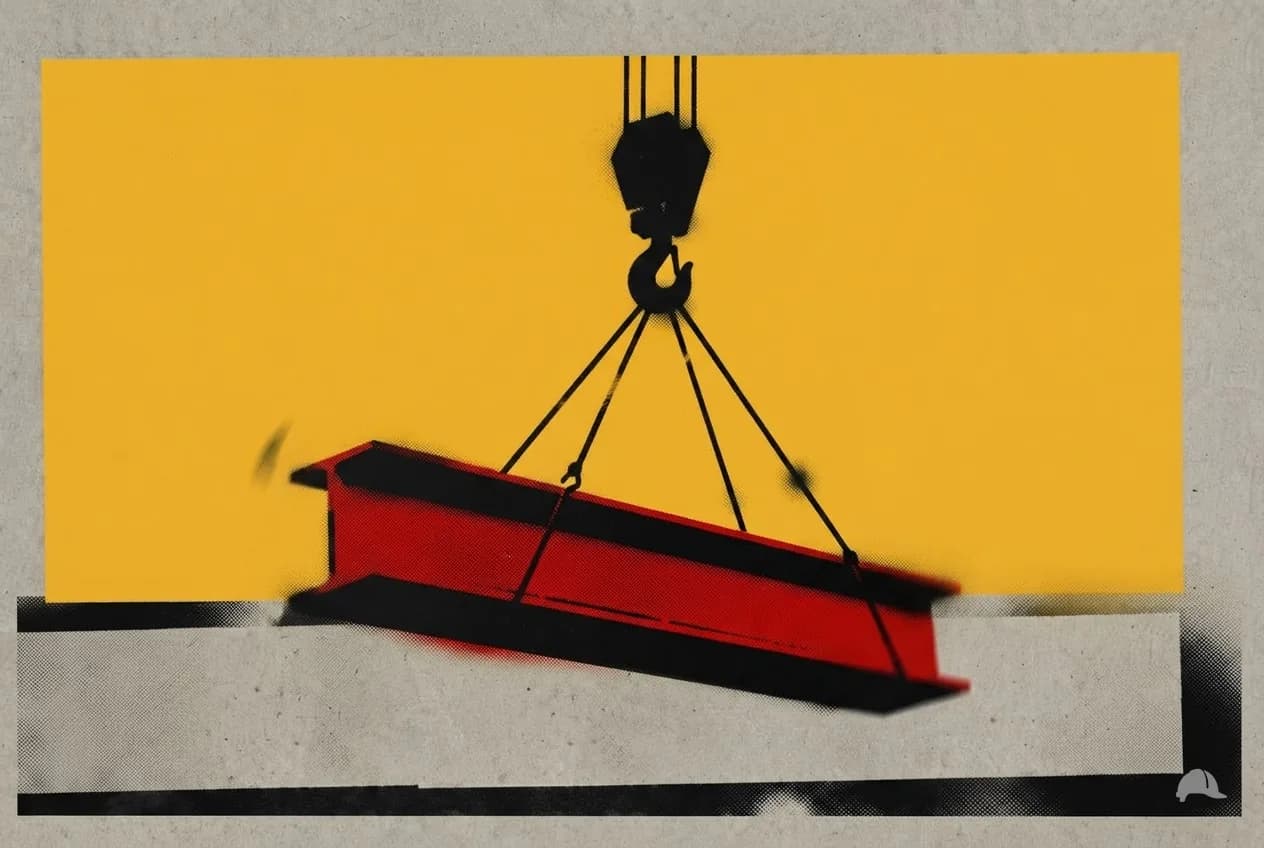
Four sub-families, and they need different controls: struck by a flying object, a falling object, a swinging object, or a rolling object. OSHA’s student materials for this lesson include a nail-gun hazard alert and a cranes-and-rigging focus, which is a fair map of where the deaths cluster.
| Sub-family | Typical control |
|---|---|
| Flying | Guards, eye and face protection, tool maintenance |
| Falling | Toeboards and screens, exclusion zones below, tool tethers |
| Swinging | Tag lines, exclusion zones, no personnel under or beside a load |
| Rolling | Spotters, backup alarms, high-visibility clothing, traffic control plan |
Sub-families as taught in OSHA’s Construction Focus Four packet, read 2026-09-04; the controls are practice.
The exclusion zone is the control that appears in three of the four rows, and it is the one that vanishes first when a job runs late.
Caught-in or -between
Trench collapse, machinery entanglement, and being pinned between equipment and a fixed object. OSHA’s student materials for this lesson are built around ten fatal-facts accident summaries, which tells you how mechanical and how repetitive the pattern is.
Two standards carry most of it. Excavations: cave-in protection is required in every excavation except one made entirely in stable rock, or one less than 5 feet deep where a competent person’s examination shows no potential for cave-in — see trenching and excavation safety. Machinery: the control of hazardous energy, which was the third most cited federal standard in fiscal year 2024 — see lockout/tagout requirements.
Electrocution
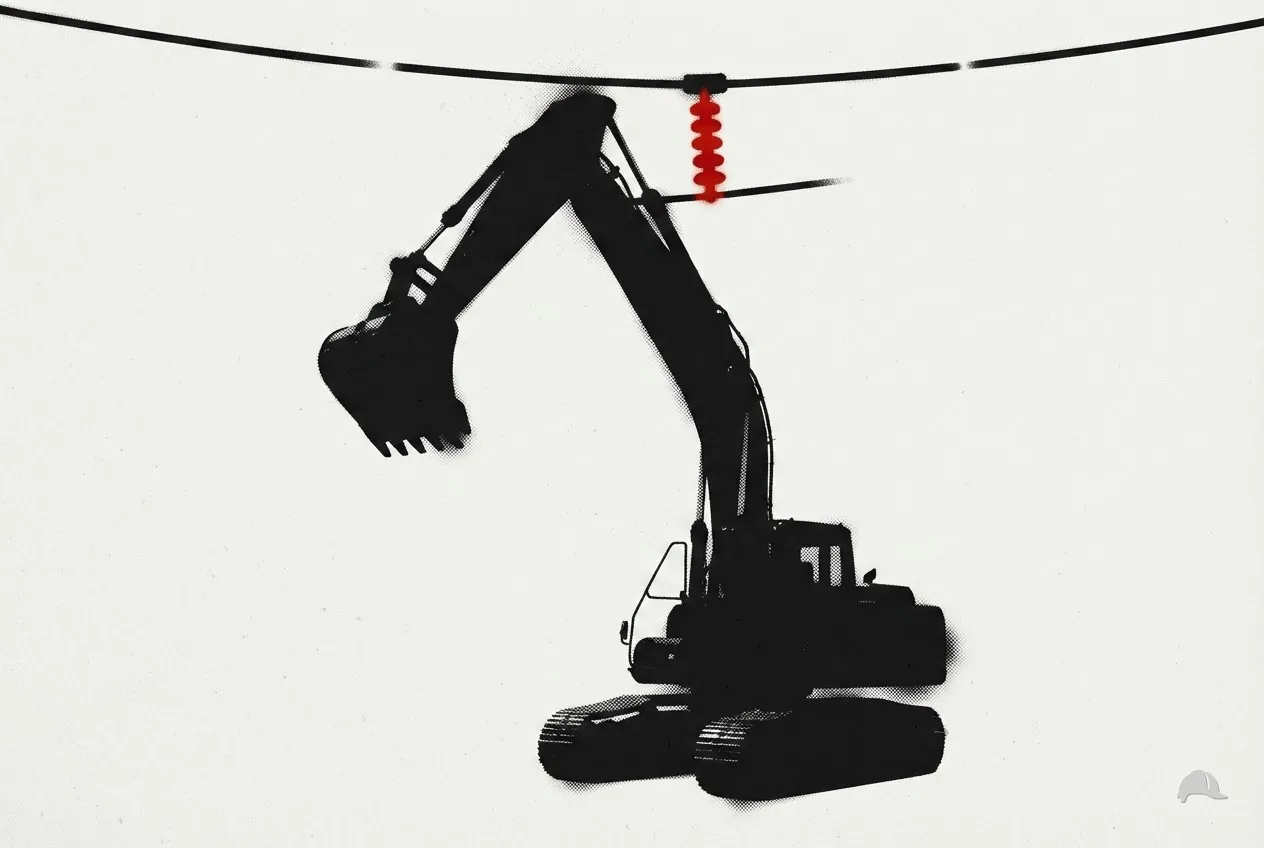
Contact with overhead power lines, contact with energised sources, and improper use of extension and flexible cords. On a jobsite the first is the killer and the third is the citation.
The controls are unglamorous and they hold: plan the clearance from overhead lines before the equipment arrives, assume every line is energised, use GFCI protection on every temporary circuit, take damaged cords out of service instead of taping them, and de-energise and lock out rather than working live.
All four families end up as rows on the same weekly walk. That is what the construction safety checklist is grouped around, and each of the four is a month of toolbox talks if you want one.
The rule text, section by section
Every paragraph cited above, in the words of the standard itself. Open a section number to read it; the wording is quoted from the current eCFR text of title 29, read on 2026-10-18; “…” marks text left out.
Each employee on a walking/working surface (horizontal and vertical surface) with an unprotected side or edge which is 6 feet (1.8 m) or more above a lower level shall be protected from falling by the use of guardrail systems, safety net systems, or personal fall arrest systems.
Each employee in an excavation shall be protected from cave-ins by an adequate protective system designed in accordance with paragraph (b) or (c) of this section except when: (i) Excavations are made entirely in stable rock; or (ii) Excavations are less than 5 feet (1.52m) in depth and examination of the ground by a competent person provides no indication of a potential cave-in.
No employee shall be permitted underneath loads handled by lifting or digging equipment. Employees shall be required to stand away from any vehicle being loaded or unloaded to avoid being struck by any spillage or falling materials.
Such programs shall provide for frequent and regular inspections of the job sites, materials, and equipment to be made by competent persons designated by the employers.
Sources, with the date each was read
- Construction Focus Four Training (OSHA)read 2026-09-04
- Stop Falls — fatal falls to a lower level, 2024 (OSHA)read 2026-09-04
- Commonly Used Statistics — fatalities and top 10 cited standards (OSHA)read 2026-09-04
- 29 CFR 1926.501 — Duty to have fall protection (OSHA)read 2026-09-04