Safety
Break a task into steps, name each hazard, and record the control before the crew starts.
OSHA 3071 (guidance)
7 tools · 7 guides · 1 comparisons
The written programs a jobsite has to carry: JHAs, entry permits, energy control, site-specific plans, trench and heat rules.
Break a task into steps, name each hazard, and record the control before the crew starts.
OSHA 3071 (guidance)
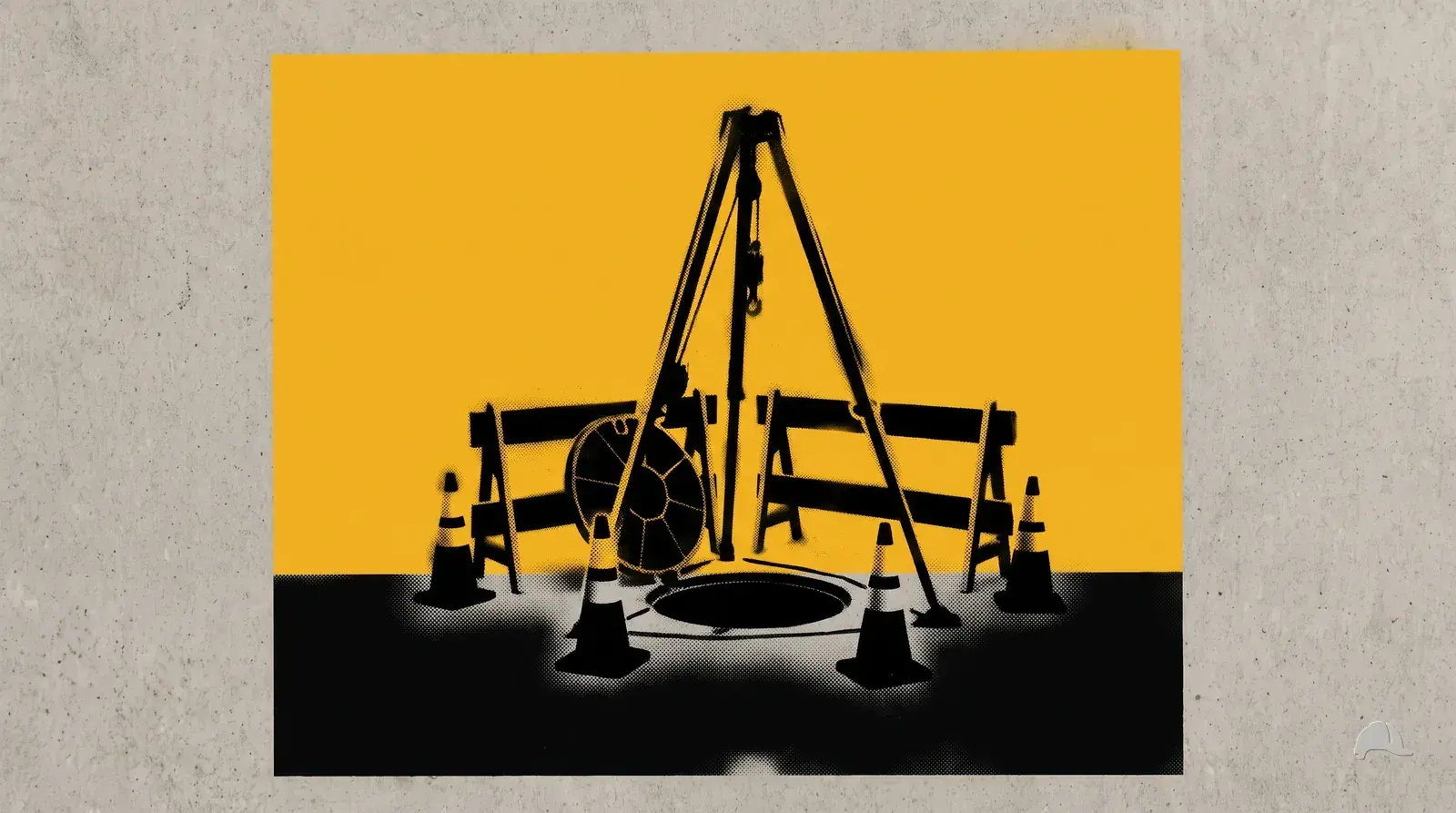
A permit-space entry form with atmospheric readings, attendant and rescue lines.
29 CFR 1926.1204
Machine-specific energy control procedure with isolation points and verification steps.
29 CFR 1910.147
The SSSP a general contractor asks for before you mobilise, section by section.
29 CFR 1926.20(b)
A written emergency action plan with alarms, escape routes, assembly points, headcount and the people who stay behind.
29 CFR 1926.35
The written HazCom program: chemical inventory, labels, safety data sheets, training and the multi-employer exchange.
29 CFR 1910.1200(e)
The written plan the silica standard requires: tasks, Table 1 controls, housekeeping limits and the competent person.
29 CFR 1926.1153(g)
What makes a space permit-required, who does what, and when a permit space can be reclassified.
Energy control programs, authorised vs affected employees, and the annual inspection.
Soil classification, the 5-foot protective-system trigger, access, and daily inspections.
The exact definition, where the standard demands one, and how you document the designation.
Water, rest, shade and acclimatisation — plus the state rules that go beyond the federal duty.
The action level and PEL, how Table 1 works, when an exposure assessment is required, and the medical surveillance trigger.
What each SDS section must contain, which ones a jobsite actually reads, and the access rule a binder has to meet.
Three names for adjacent documents, and the one a GC will actually accept.